Articles written by our members and originally published in the Berkshire Family Historian
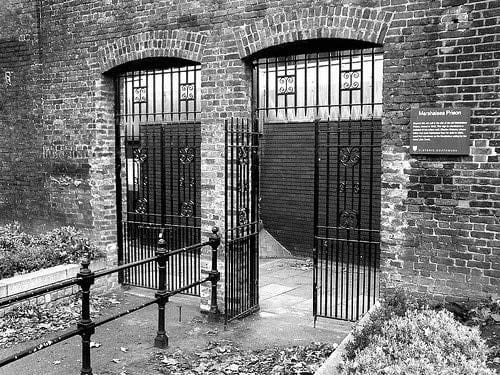
Marshalsea Gates by Russel Kenny (CC-BY-SA 3.0)
Debt has at least as long a history as the concept of money: long before personal banking became the norm, every community has had a few individuals who lent out money to their friends, family and associates.
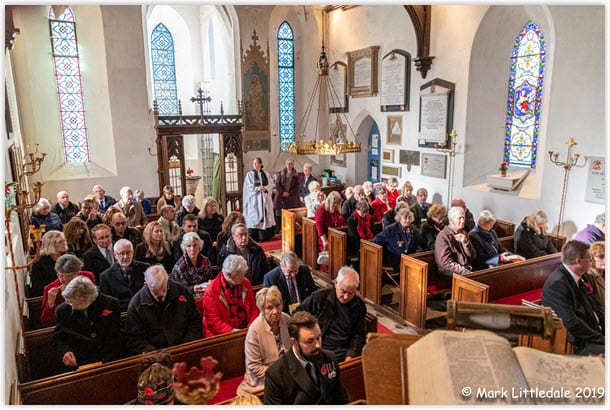
Tiny St Nicholas Church, Sulham, was packed for the 2019 Remembrance Service where special tribute was paid to Winifred Helen Burtenshaw. The congregation heard the Revd Heather Parbury describe Winifred’s life before the outbreak of war and her subsequent service and tragic death as a VAD.
Katie Amos follows up on an episode from the 2018 series of Who Do You Think You Are?
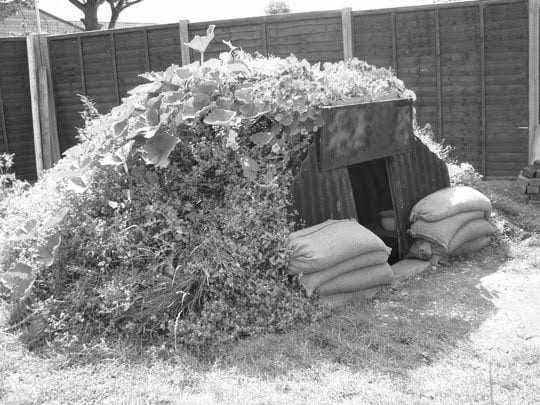
An example of an Anderson Shelter located at the Lincolnsfields Centre. home of the 1940s Experience www.lincolnsfields.co.uk”
In this the final instalment, Jean Harland continues her recollections of living in a rural village during World War
What then happened to Charlie? Charlie had concluded his letter of 22 October 1915 by informing his parents from Plymouth that “we are going at 12 o’clock this morning”. We learn later that his Unit had been posted to Egypt. He sent to his young brother Jack a Christmas card showing camels and a desert oasis but it is not until 1 March 1916 that we find in the Collection a letter from Charlie in Egypt. He is now 16 and has just heard from his father that his brother Jim has been killed. He replied: Trpr C. C. Butler, No 2563 Squadron, Berks Yeomanry Base Post Office, Alexandria. Egypt March 1st 1916 Dear Father I received your letter containing such bad news on 27th Feb. You must know how I feel but I try to think as little as possible about it. It must have been an awful shock to you and Mother but it is the most noble death anyone…

Daimonomageia (Wellcome Collection (CC-BY-4.0))
Discover how social friction, religious tension and community scapegoating led to a 1634 witchcraft accusation and trial in Reading.
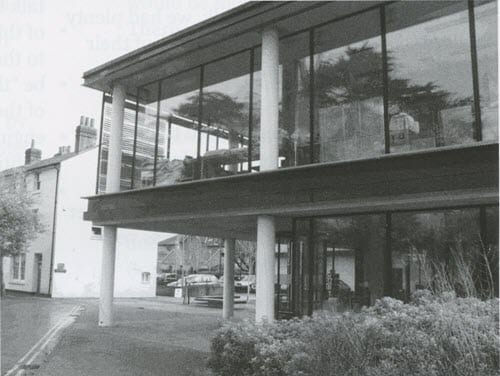
Berkshire Record Office
What new archives are now available at the BRO? What’s going on at the BRO? World War One Exhibition
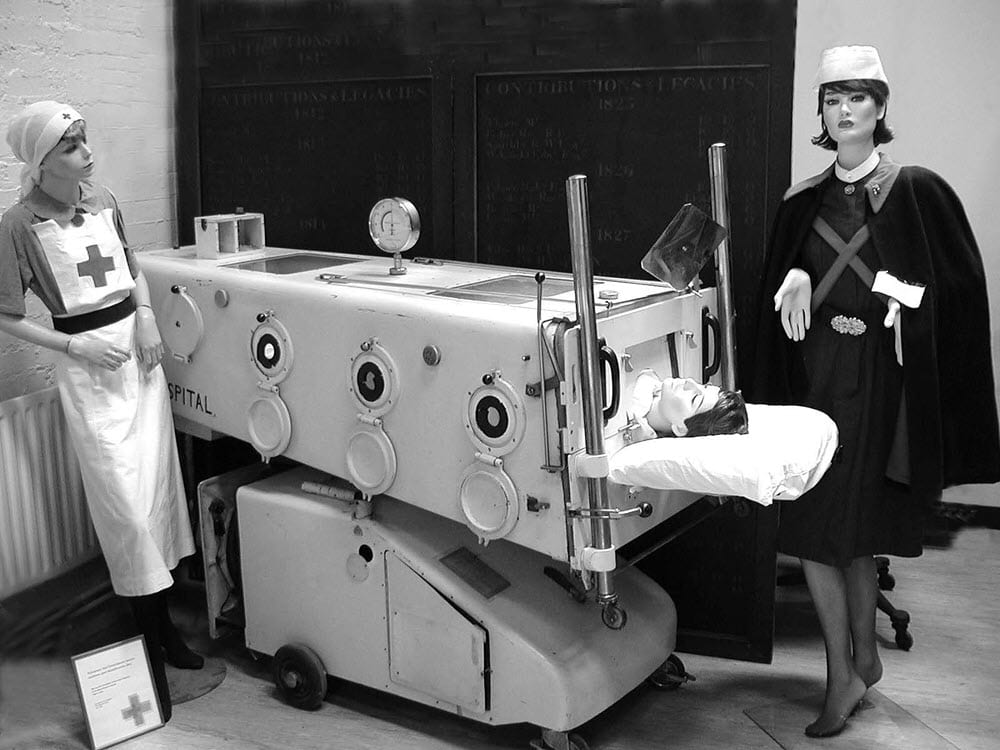
An Iron Lung from the 1960s
The Museum is open to the public on the first and third Sundays in the month from 2.00pm to 4.30pm. It is open at other times by arrangement for group bookings (please phone 0118 9549371). See below for specific archival enquiries.
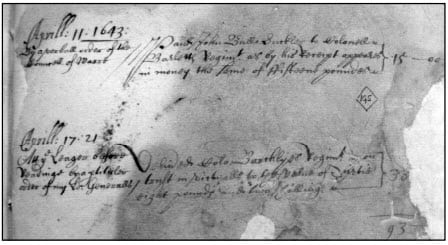
Scrap of parchment recording the pay sent to the
regiments besieging Reading in April 1643 (TNA)
For many family historians the issues with parish registers during the English Civil War and Interregnum are a brick wall. Catherine Sampson explores these issues in the parishes in and around Reading, and also highlights a few of the many opportunities within this period.
It is a popular belief that researching your Irish ancestry is not for the faint-hearted. Drawing on recent research, Derek Trinder offers a brief overview to help you to start a journey into your Irish ancestry
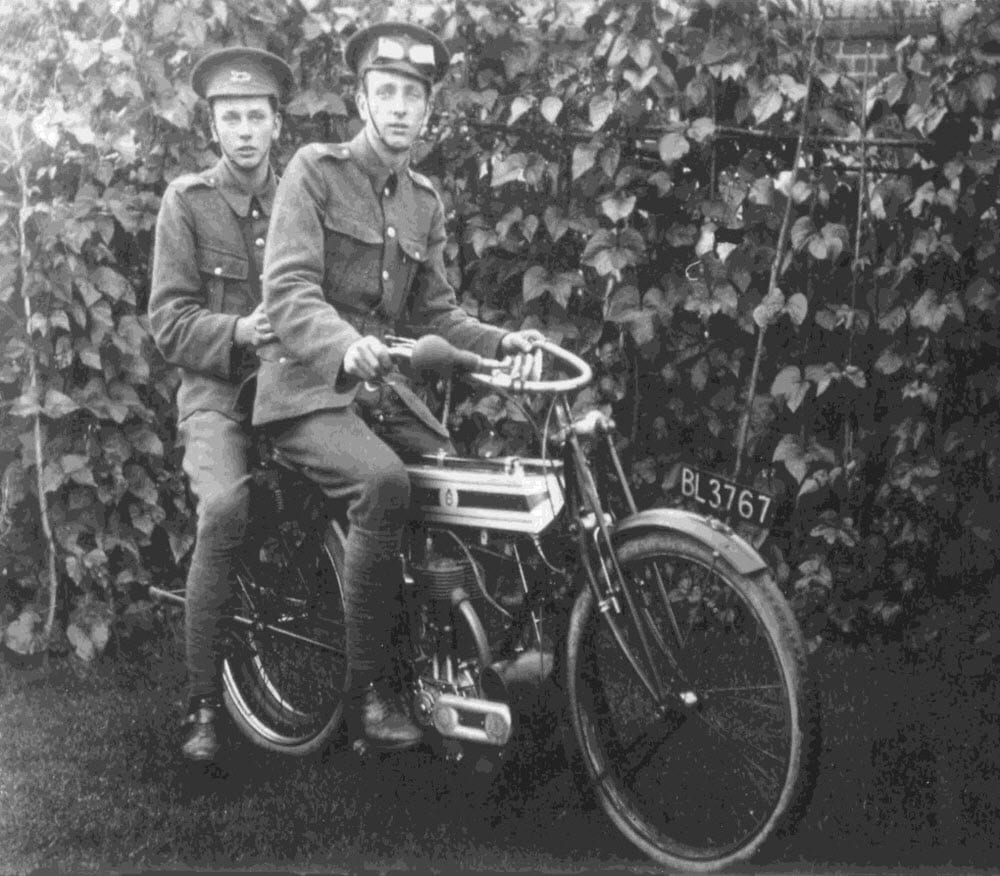
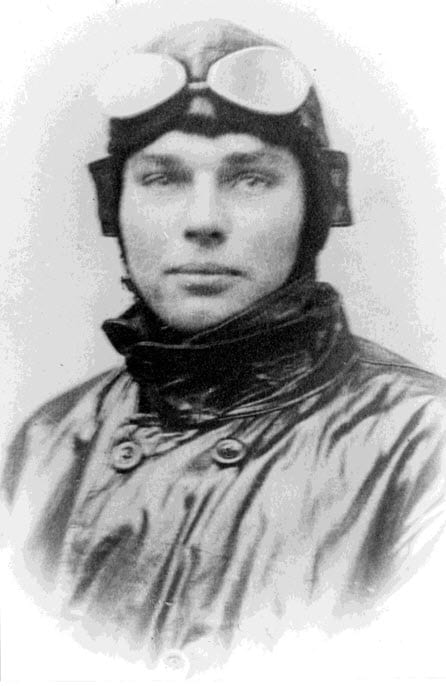
Charlie and James c. 1915
James and Charles Butler both responded in early 1915 to the call to arms and volunteered for army service. Jim was 17 and Charlie was 15. They were amongst some 2½ million men who joined the British army voluntarily between August 1914 and December 1915. This is their story
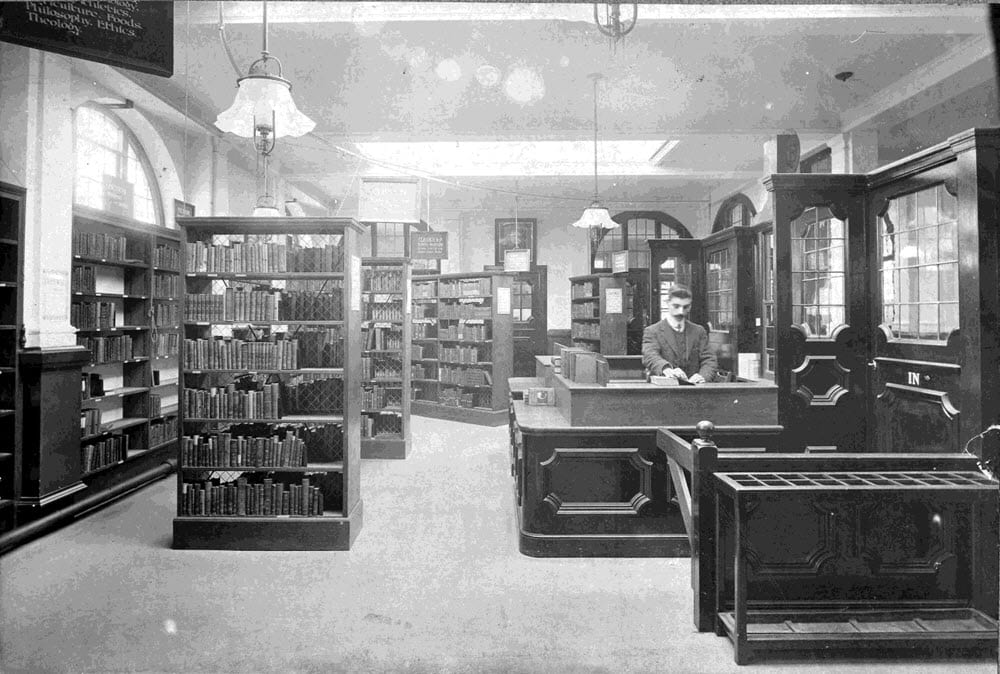
Battle Library, previously known as West Branch Library, Reading 1910
The Reading Central Library’s illustration collection is one source of photographs that the Berkshire Family Historian uses to illustrate its articles. In case you hadn’t realised that such a thing existed, or that it is easily viewable online, and that you can have your very own copies too, here is a little bit more about it.