Pinning Down Your Ancestors
An online workshop for family history researchers looking to locate elusive ancestors using maps, land records, and local history sources.
An online workshop for family history researchers looking to locate elusive ancestors using maps, land records, and local history sources.
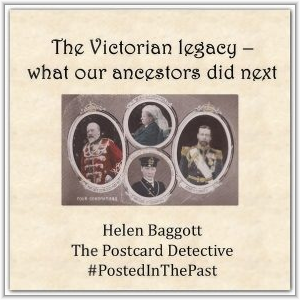
Join this online talk exploring our Victorian ancestors' lives through historic postcards, covering railway strikes, mill workers, and local news.
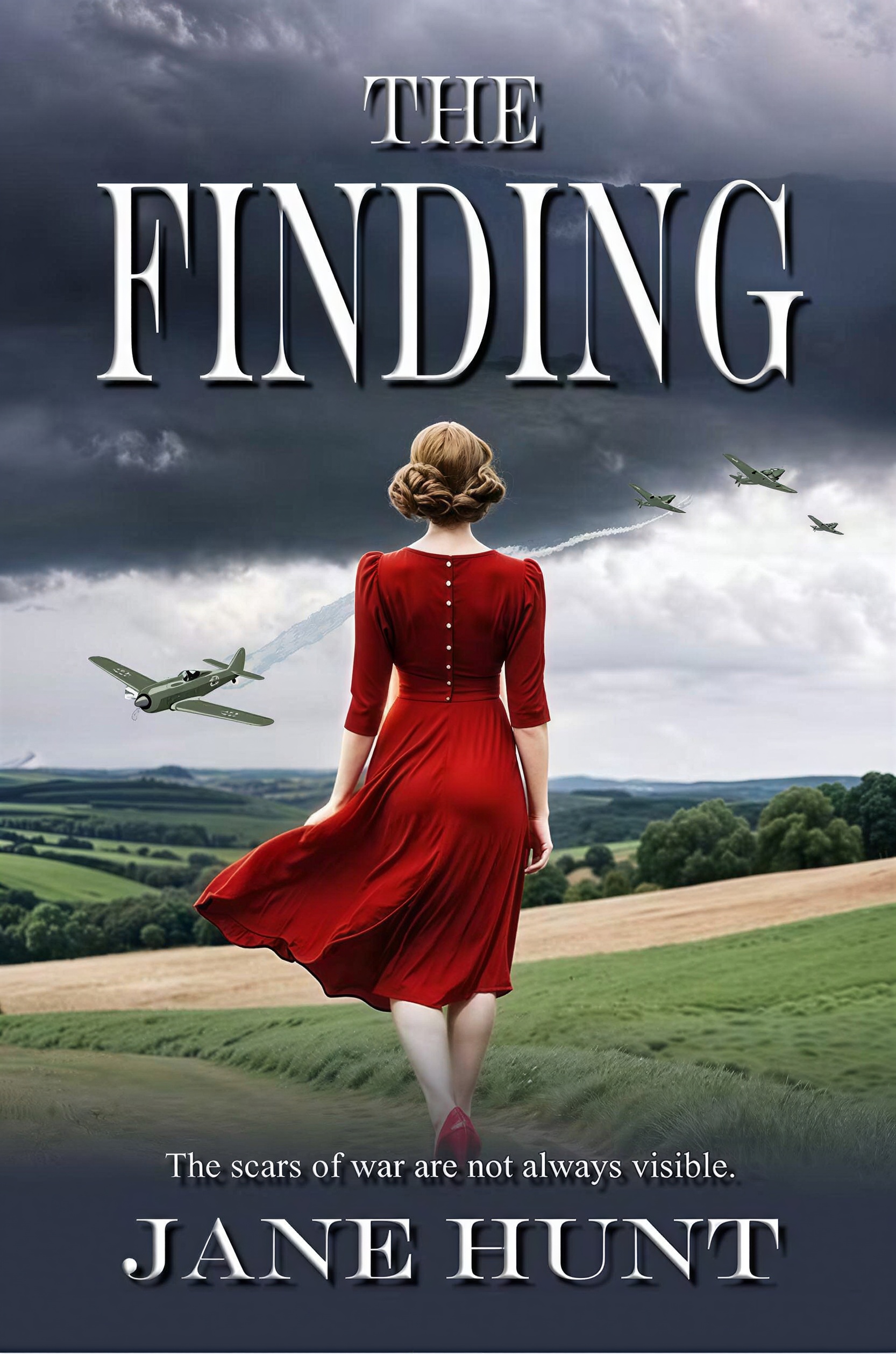
Discover how one family historian turned detailed genealogy research in Berkshire and Wiltshire into a published historical fiction novella.
An in-person talk and interactive workshop for family historians looking to maximise their use of major genealogy websites and databases.
Learn how to navigate online genealogy groups, write effective queries, and spot suspicious responses to boost your family history research.
Learn how to navigate our Facebook groups, pages, and members' forum to solve your research puzzles and connect with fellow Berkshire genealogists.
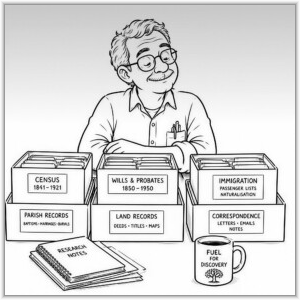
How to organise your genealogical research data so you extract information for your family and local history.
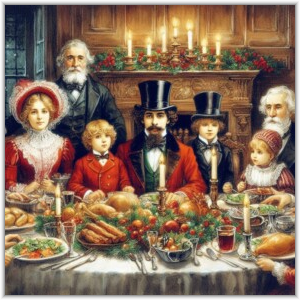
An online talk exploring Victorian festive traditions, ideal for family historians wanting to understand how their ancestors celebrated the season.
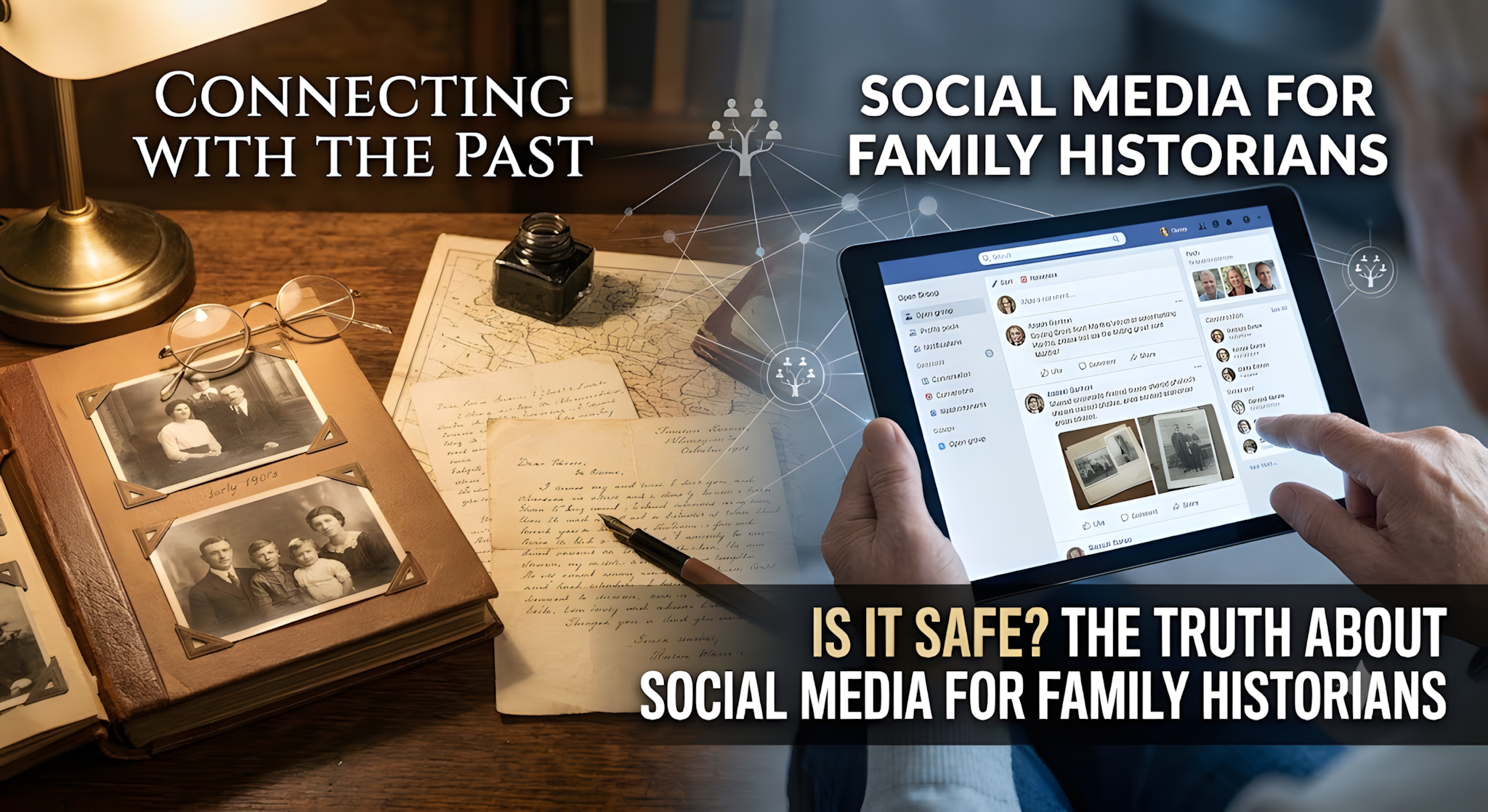
Discover how to safely use social media to boost your family history research, connect with other genealogists, and protect your online privacy.
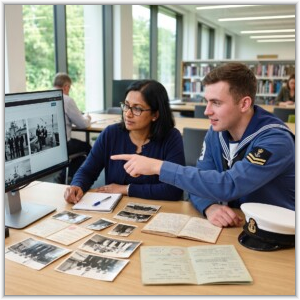
An online workshop for family historians looking to discover the service records, ship logs and histories of their World War Two Royal Navy ancestors.
Want to get the most out of your DNA results? This is a great opportunity to ask questions, gain ideas and share success stories. All levels of expertise with interpreting DNA results are welcome but you should have some basic experience of working with your DNA matches to get the most out of the group.
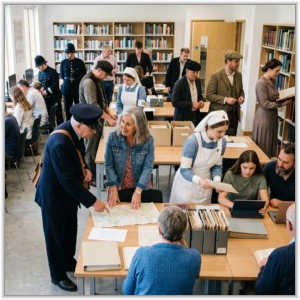
An in-person open day drop-in session for family history beginners and experienced researchers to explore archives and get expert guidance.