Summaries of meetings held by our local teams
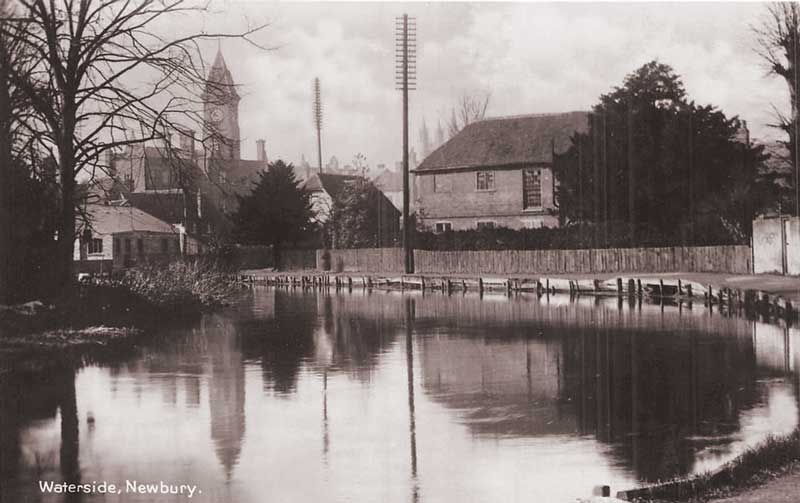
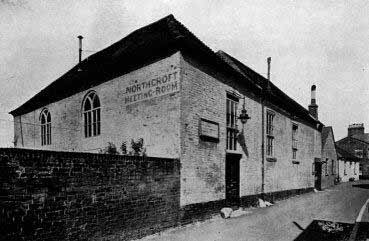
Waterside chapel, Newbury
Nonconformism flourished in Newbury after the Reformation, with a proliferation of sects which split, merged and reshaped themselves over the eighteenth and nineteenth centuries.
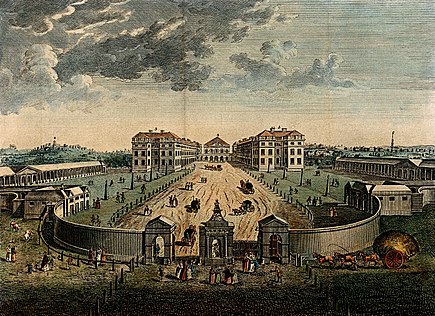
Thomas Coram's Foundling Hospital opened in 1740 to care for babies abandoned in the streets of London. Many of them were sent to be nursed in Newbury, under a scheme organised through aristocratic patronage, middle-class networking and working-class philanthropy.
The Baptist faith was established in Berkshire by 1640, soon after its emergence from the Puritan movement.
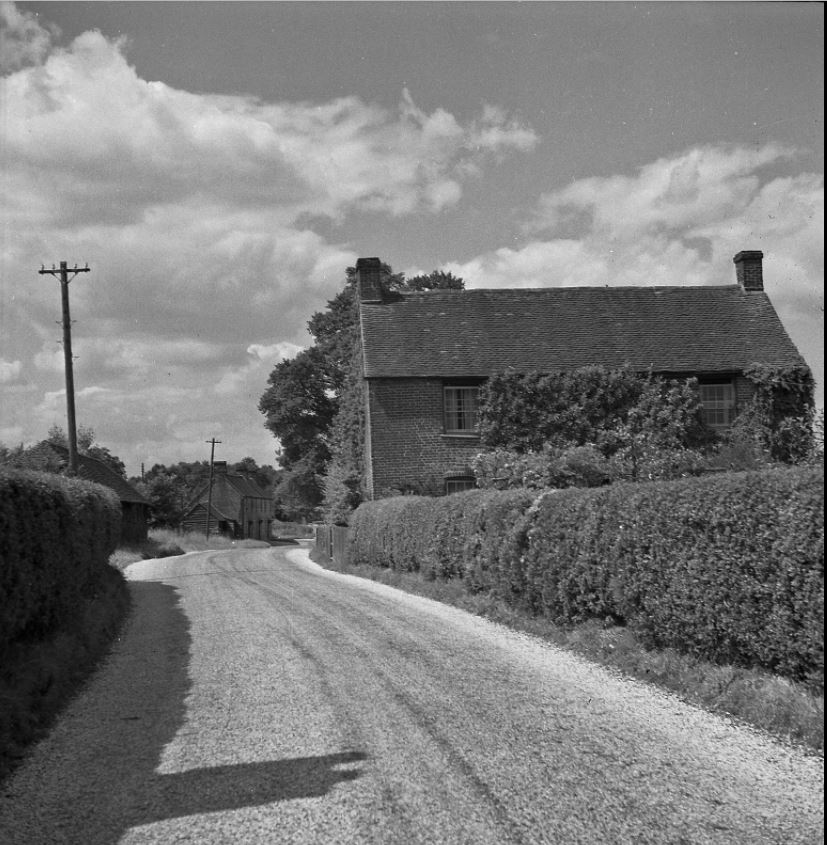
Sources for tracing the history of a house may range widely over maps, pictures, censuses, old newspapers, directories and many more records to build up a holistic picture of a house, its occupants, owners and its place in the local community.
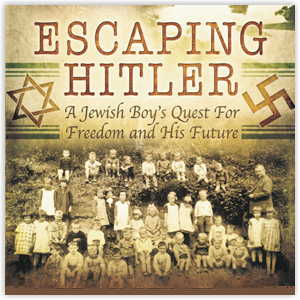
The life-story of Günter Stern/Joe Stirling, who came to Britain aged 14 in 1938 via Kindertransport, and became a prominent and much-loved figure in post-war Norwich.
The Cope Hall Colony was a social experiment which lasted from 1917 to 1919. Though short-lived, it had lasting influence on the probation service.
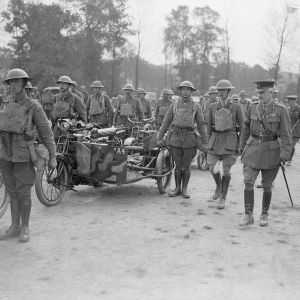
Our July talk, given by the popular speaker Mike Cooper, was entitled "Finding (Great) Grandad: Army Records for the Great War
'Finchampstead and its Lords of the Manor' by Christine Cox; and Michael Rea`s talk entitled 'An odd Fyshe'
Newbury Branch Annual Report 2023 - 2024
Learn how historical wills, probate records and legal terminology can reveal hidden family relationships and details for your family history.
The years immediately after the Great War saw the greatest impetus for erecting war memorials, but there was no co-ordinated programme, resulting in no national pattern or model; each community made its own decisons. Memorials served as a focus for bereaved families for whom there was no known grave.
Wills can reveal much about family relationships that had been hidden during a testator's life